Alexa vs Google Home vs Apple HomePod: I Own All Three and Here's My Honest Take After 18 Months
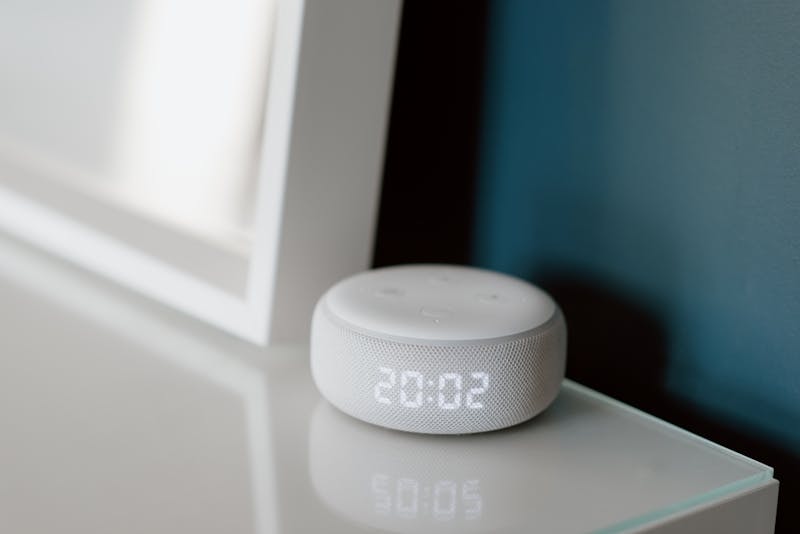
I live in a house with three different smart home voice assistants, and yes, it's as chaotic as it sounds. An Echo Dot in the kitchen, a Google Nest Hub in the living room, and a HomePod Mini in the bedroom. This wasn't the plan — it happened gradually over two years as I tested different devices, got a few as gifts, and never bothered to standardize. But accidentally owning all three turned out to be the perfect experiment, and I have opinions now.
How I Tested Them (My Totally Unscientific Method)
I didn't run this like a lab experiment with controlled variables. I used all three daily for about 18 months, asking them the same kinds of questions and running the same routines. Here's what I was evaluating:
- Voice recognition accuracy (especially when I'm not right next to the device)
- Smart home device compatibility
- Music and media quality
- Routine and automation capabilities
- Privacy controls
- General knowledge and conversational ability
I'm not going to pretend this is a professional review with frequency response charts and decibel measurements. This is "a regular person used these things in their actual house and here's what happened."
Alexa (Echo Dot 5th Gen + Echo Show 10)
The Good Stuff
Alexa has the widest smart home compatibility of the three, and it's not close. Almost every smart device I've bought in the last two years works with Alexa out of the box — from my smart plugs with energy monitoring to my smart locks to random brands I found on Amazon.
Routines are where Alexa really shines. I have a "Good Morning" routine that turns on the kitchen lights, reads me the weather, tells me my first calendar event, and starts playing NPR. Setting it up took maybe 5 minutes. You can chain together actions, add wait times between steps, and trigger routines with voice, time, or even sensor input.
The Skills ecosystem is massive. There's a Skill for almost anything — ordering pizza, guided meditation, trivia games, white noise machines. Most of them aren't great, honestly, but having the option is nice.
The Annoying Parts
Alexa's conversational ability is... limited. Ask her a follow-up question and she often doesn't understand the context. "What's the weather tomorrow?" works fine. "And Saturday?" sometimes confuses her. Google handles this much better.
Amazon also really wants you to buy things. Alexa will occasionally suggest products during interactions, and while you can turn this off in settings, the fact that it's on by default feels pushy. I didn't buy a smart speaker to hear ads.
Sound quality on the Echo Dot is acceptable but nothing special. If you care about music, you'll want at least the regular Echo or the Studio.
My Score: 7.5/10
Best for: People deep in the Amazon ecosystem who want maximum device compatibility and powerful routines.
Google Home (Nest Hub 2nd Gen + Nest Mini)
The Good Stuff
Google Assistant is the smartest of the three when it comes to understanding natural language. I can ask vague questions, rephrase things weirdly, or ask follow-ups, and Google usually figures out what I mean. "How tall is the Eiffel Tower?" followed by "When was it built?" — Google handles that seamlessly because it remembers the context.
The Nest Hub's screen is surprisingly useful. I use it as a digital photo frame when idle, and the sleep sensing feature (which tracks your sleep using radar — no wearable needed) is genuinely cool. I was skeptical, but after a few weeks, the sleep data matched pretty closely with my Fitbit.
Google's smart home control has caught up a lot. The Google Home app got a major redesign, and it's now much easier to set up automations. Not quite as flexible as Alexa's routines, but close enough for most people.
The Annoying Parts
The "Hey Google" wake phrase is clunky. It's two words compared to Alexa's one word, and that extra syllable adds up when you're barking commands throughout the day. You can't change the wake word either.
Google has killed so many products that I have a low-key anxiety every time they release a new Home device. Will they support it in three years? Who knows! The Nest ecosystem has gone through so many rebrands (Google Home → Nest → back to Google Home) that it's hard to keep track of what's current.
Music quality on the Nest Mini is mediocre. The regular Nest Audio is much better, but the Mini is what most people buy because of the price.
My Score: 7/10
Best for: People who primarily use Google services (Gmail, Calendar, Maps) and want the smartest conversational assistant.

Apple HomePod Mini
The Good Stuff
Sound quality. The HomePod Mini sounds shockingly good for its size. It's noticeably better than both the Echo Dot and Nest Mini. If you use Apple Music and want a small speaker that fills a room, the HomePod Mini punches way above its weight class.
Privacy is where Apple has a genuine advantage. Siri processes many requests on-device rather than sending everything to the cloud. There's no option to review your recordings like Amazon and Google offer (because Apple doesn't keep them the same way). If privacy is a top concern, Apple is the safest bet.
The integration with iPhone is smooth. Handoff lets you transfer audio from your phone to the HomePod by just holding your phone near it. Intercom lets you broadcast messages to HomePods in different rooms. And Find My integration means I can ask "Hey Siri, where's my iPhone?" and it'll ping.
The Annoying Parts
Siri is the dumbest assistant of the three, and I say that as an iPhone user. Basic questions that Google nails and Alexa handles acceptably will confuse Siri. Try asking a multi-part question and you'll get "I found some web results for that" more often than an actual answer.
Smart home compatibility is limited compared to Alexa and Google. You need HomeKit-compatible devices, which tend to be more expensive and less varied. This has gotten better with Matter support, but Alexa still wins on raw compatibility.
No Spotify support as a default service. You can AirPlay Spotify to the HomePod, but you can't set it as the default music service and voice-control it the way you can with Apple Music. This is a dealbreaker for a lot of people.
My Score: 6.5/10
Best for: iPhone users who prioritize sound quality and privacy over assistant smarts and device compatibility.
The Stuff Nobody Talks About: Matter and Thread
If you're shopping for a voice assistant in 2026, you need to know about Matter. It's a universal smart home standard that lets devices work across all platforms — Alexa, Google, and HomeKit. This means the "which assistant has better compatibility" question is slowly becoming irrelevant.
Thread is the networking protocol that goes with Matter, and it's important because it creates a mesh network where your smart home devices communicate directly with each other instead of all going through a central hub. The result is faster response times and more reliability.
Both the Echo (4th gen+) and HomePod Mini have Thread radios built in. Google's Nest Hub (2nd gen) acts as a Thread border router. So all three are ready for the Matter future — the question is who implements it best.
Right now, honestly, it's a mixed bag. Some Matter devices work flawlessly, others are buggy. Give it another year and this will probably be the deciding factor that makes the assistant choice less important. For now, it's a promising feature that isn't quite fully baked.
What About Privacy?
All three assistants listen for their wake word, which means there's always a microphone on. That freaks some people out, and I get it. Here's the quick breakdown:
- Apple (Siri): Most processing happens on-device. No audio stored by default. Most private option.
- Google: Audio is stored but you can auto-delete it (3 or 18 months). You can review and delete recordings manually.
- Amazon (Alexa): Audio is stored until you delete it. You can set auto-delete and opt out of human review. Amazon has been caught sending recordings to human reviewers for quality improvement.
All three have physical mute buttons. If you're really concerned, use the mute button when you don't need the assistant and unmute it when you do. It's a minor inconvenience for significant peace of mind.
So Which One Should You Buy?
After 18 months with all three, here's my honest recommendation:
- Buy Alexa if: You want the widest device support, the best routines/automations, and don't mind Amazon's ecosystem. Best overall smart home controller.
- Buy Google if: You ask your assistant lots of questions, use Google services heavily, and want the smartest conversational AI of the three.
- Buy Apple if: You're all-in on Apple, care about privacy, and want the best sound quality from a small speaker. Just accept that Siri is behind the other two.
If I had to pick just one and start from scratch? I'd go with Alexa for the smart home control and supplement with Google for the knowledge and conversational ability. But I'd also wait to see how Matter shakes out over the next year — it might make the platform choice a lot less permanent.
One More Thing: Don't Mix Ecosystems (Unless You Like Chaos)
I currently run three different ecosystems and it's manageable but annoying. Some devices show up in two apps but not the third. Some routines only work with one assistant. My partner has accidentally turned on the wrong lights by talking to the wrong speaker at least a dozen times.
If you're starting fresh, pick one and stick with it. Build your smart home around one platform. If you already have devices from our smart thermostat guide, check which assistants they work best with and use that as your starting point.
The good news? With Matter adoption growing, the lock-in problem is shrinking. In a year or two, you might not have to choose at all. But for right now, in March 2026, picking a lane still makes your life easier.


Comments
Post a Comment